
The SECAC Mission
SECAC works together to put children first.
The Committee focuses on open and honest communication, improving effectiveness and accountability, identifying systemic issues, and advocating for appropriate resources. In collaboration with Frederick County Public Schools leadership of special education, parents, FCPS staff and community members, the Committee strives to facilitate positive changes in the delivery of special education services and the success and achievements of students with disabilities.
A Special Education Citizens Advisory Committee (SECAC) advises the district on issues affecting students with disabilities. The Committee reviews policies, gives feedback, and helps ensure that the district remains in compliance with the Individuals with Disabilities Education Act (IDEA). The Committee listens to families, shares concerns and ideas, and provides advice to help improve special education services and supports.
What Is A Special Education Citizens Advisory Committee?
Are SECACs in the Individuals With
Disabilities Education Act (IDEA)?
1
Yes! The IDEA requires each state to establish and maintain an advisory panel to provide guidance on the education of children with disabilities. IDEA sets the foundation for each state to develop the framework.
The Maryland State Department of Education runs a Special Education State Advisory Committee and requires every local school system to establish a SECAC to advise local systems on the unique needs of students with disabilities.
How do SECACs operate in Maryland?
2
The Frederick County SECAC, in partnership with Frederick County Public Schools (FCPS) Department of Special Education leadership, typically reviews special education data and policies, provides input, helps evaluate the effectiveness of special education programs, advocates, actively listens to the community, and advises on unmet needs in FCPS.
What does the Frederick County SECAC do?
3
Does the Frederick County SECAC have
decision making authority?
4
No, the SECAC does not have decision making authority.
The SECAC’s recommendations can influence how FCPS spends funding, writes policy, staffing matters, responding to public feedback, or systemic issues.
Oakdale High School becomes ninth FCPS school to earn Maryland Unified Champion School status from Special Olympics Maryland
Oakdale High School earned Maryland Unified Champion School status for the first time this year, adding to Frederick County Public Schools’ growing list of schools recognized for creating inclusive opportunities for all students.
The Maryland Unified Champion Schools initiative recognizes schools that promote inclusion and belonging by providing opportunities for students with and without intellectual disabilities to participate together in sports, activities and schoolwide initiatives.

I am thrilled Oakdale High School became the latest FCPS school to earn Maryland Unified Champion School status…In FCPS, we are focused on providing meaningful opportunities for all students to participate, connect and belong.
~ FCPS Superintendent Dr. Cheryl L. Dyson
What is the continuum of services for special education?
The continuum of special education services is the range of supports, instruction, and learning settings available to meet a student’s individual needs. It includes both the help a student receives and where that help is provided. Special education is not one classroom or a one-size-fits-all program. As we continue to work on our multi-year plan to strengthen our continuum of special education services, we want to hear from the voices of our stakeholders.
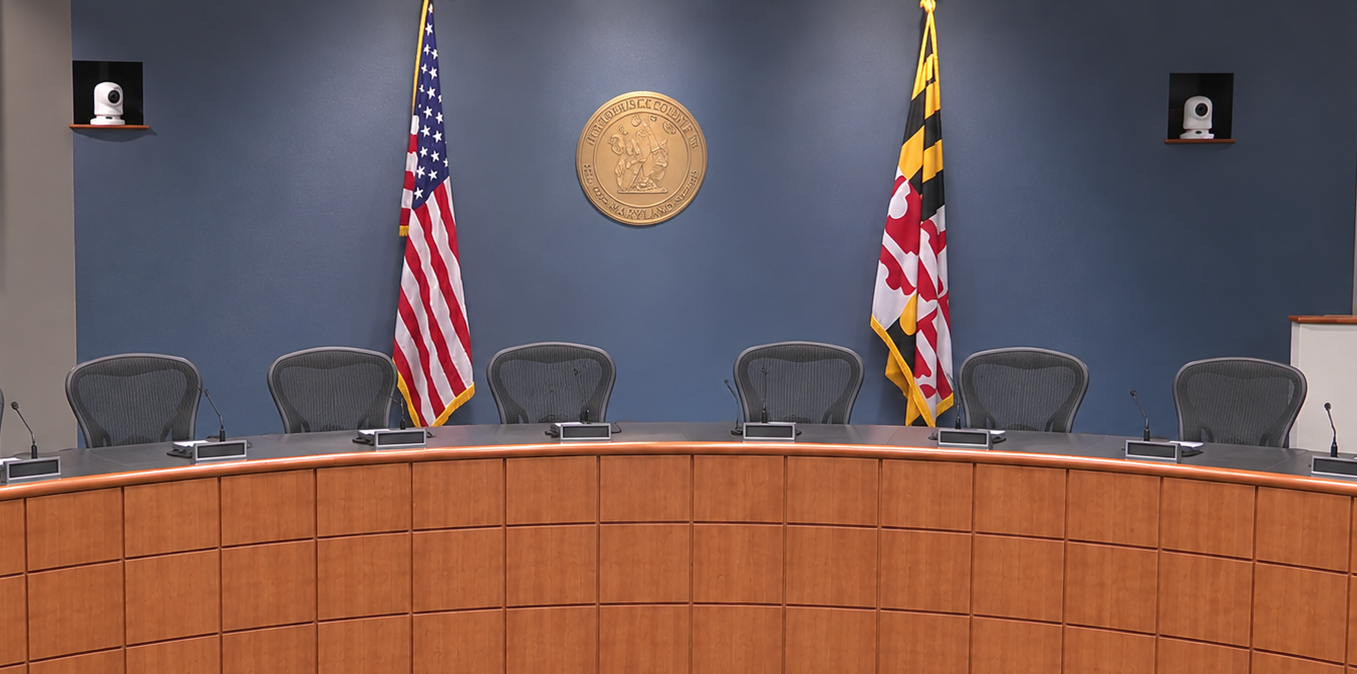
2026 General Election Board of Education Candidate Forum
On Tuesday, October 13, 2026, SECAC hosted the BOE Candidate Forum. where all 8 BOE Candidates attended. The community learned more about their views on issues affecting students with disabilities, their families, and educators.
The Frederick County SECAC does not support or endorse any candidates or any political party.
Frederick County SECAC Membership
The SECAC is a 25 voting member committee of volunteers comprised of parents/guardians, FCPS staff, Community Members/Organizations, and high school students.